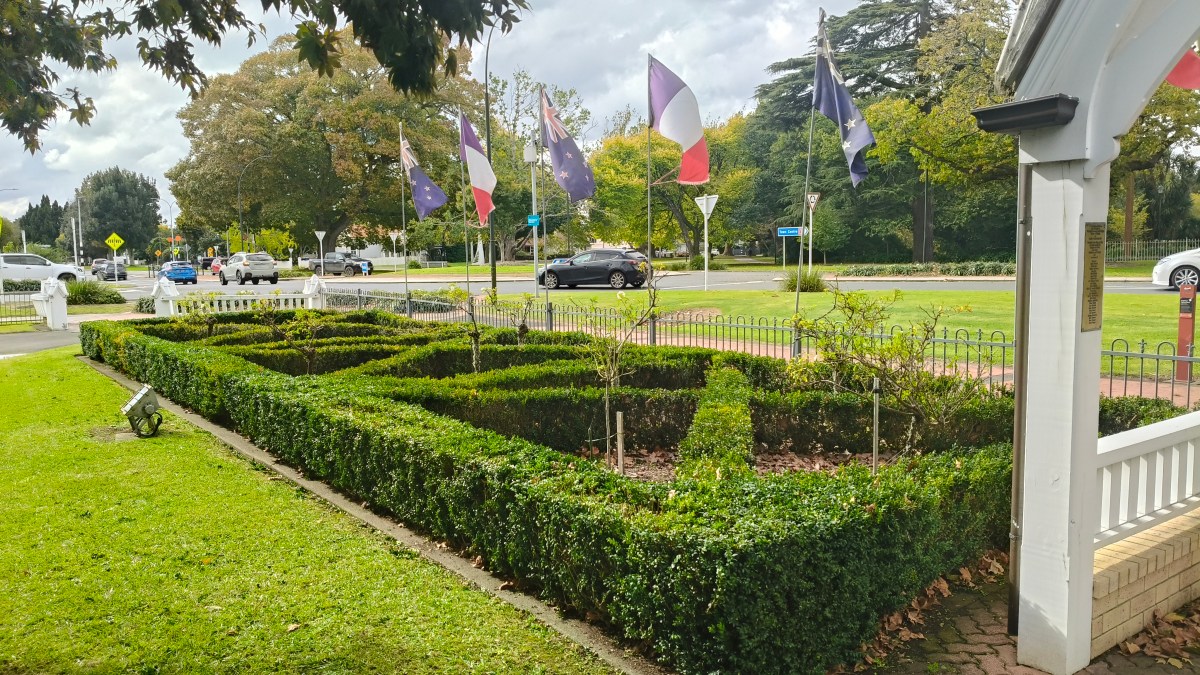
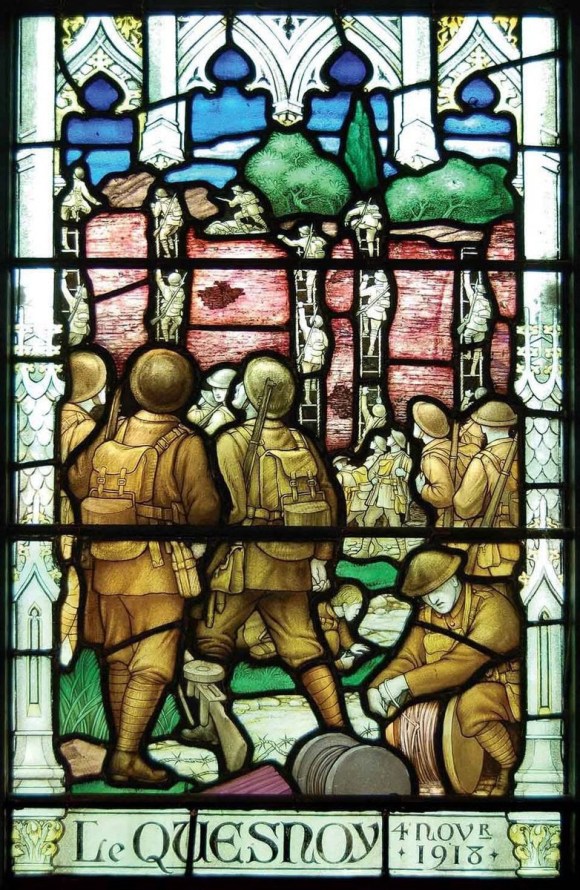
On 4 November 1918, New Zealand troops liberated the French town of Le Quesnoy in one of the New Zealand Division’s last actions of World War I. Rather than shelling the historic walled town, they used a ladder to scale the ramparts, helping avoid civilian casualties while forcing the German garrison to surrender.
The victory was significant because it came just a week before the Armistice and became one of New Zealand’s most celebrated wartime achievements. The town has remembered the liberation ever since, with strong ties forming between Le Quesnoy and New Zealand.
What’s the Saint Andrew’s Connection?
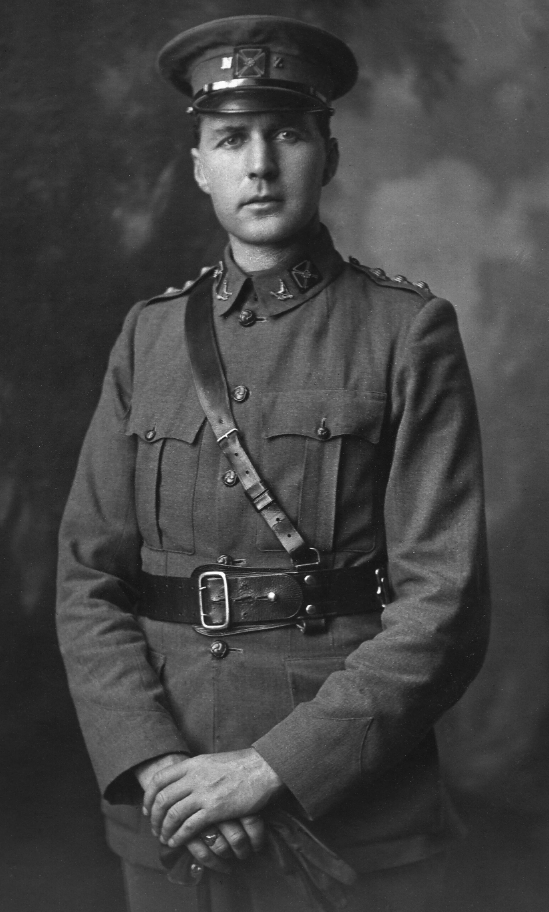
Reverend Clive Mortimer-Jones was among the 140 New Zealand chaplains who served on the Western Front. These men played a vital, multifaceted role: they were counselors to the living, comforters to the dying, and the solemn bridge between the front lines and the families at home, often writing the difficult letters that broke the news of a soldier’s death. As the vicar of St Andrew’s Church in Cambridge, Mortimer-Jones maintained a regular correspondence with his parish throughout the war. Upon his return, he honored the legacy of the conflict by commissioning memorial windows at St Andrew’s that vividly depict the battles of Gallipoli and Le Quesnoy.
The memorial window forms part of a wider commemoration of the First World War (including Gallipoli and Ypres). Alongside the window is a copy of Scaling the walls of Le Quesnoy by war artist George Butler (1920). This image captures the moment 2nd Lieutenant Leslie Averill climbed over the medieval walls on the one ladder available. Rev Clive Mortimer-Jones recorded his experience of the liberation in a series of letters which were subsequently consolidated and published as a book: A Strong Sense of Duty.
“A Strong Sense of Duty”
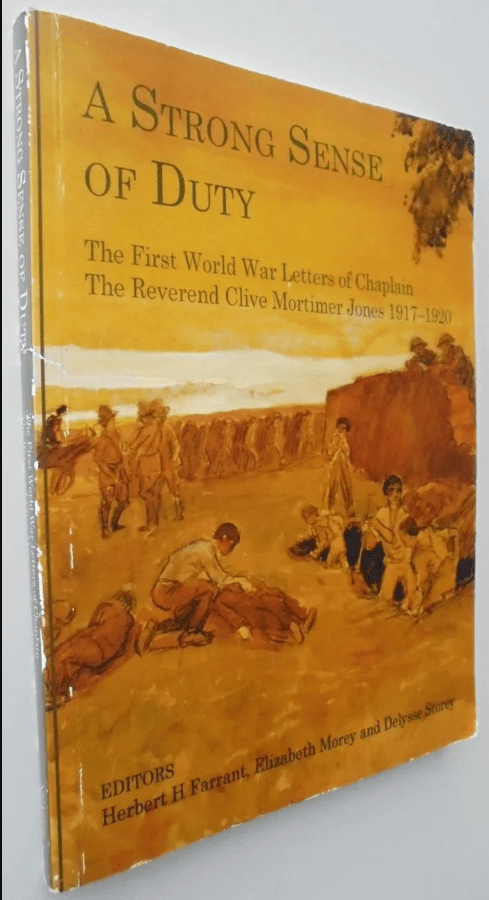
A Strong Sense of Duty offers a rare window into the final 14 months of the New Zealand Division on the Western Front. Written from the unique perspective of a non-combatant chaplain, these letters document the grit and reputation of the Division during its most formidable era. Through the eyes of Clive Mortimer Jones, we see the daily peril faced by soldiers alongside the profound compassion of the chaplaincy. Ultimately, this collection reveals how one man’s unwavering service bridged two hemispheres, eventually leading to the historic twinning of a New Zealand rural town with its French counterpart—forever linking them through a shared legacy of sacrifice.
Want to learn more?
- Not One Civilian Died — The Story of New Zealand’s Last Battle and the French Town That Never Forgot (April 26, 2026) News Wire
- The Liberation of Le Quesnoy HomeGrownTV
- Le Quesnoy: The French town that never forgot its NZ soldiers 1 News
- The Daring Capture of Le Quesnoy by New Zealand Forces in WWI Lord Ashcroft Gallery
- New Zealand and Le Quesnoy New Zealand History

